
- English
- Español
- Português
- русский
- Français
- 日本語
- Deutsch
- tiếng Việt
- Italiano
- Nederlands
- ภาษาไทย
- Polski
- 한국어
- Svenska
- magyar
- Malay
- বাংলা ভাষার
- Dansk
- Suomi
- हिन्दी
- Pilipino
- Türkçe
- Gaeilge
- العربية
- Indonesia
- Norsk
- تمل
- český
- ελληνικά
- український
- Javanese
- فارسی
- தமிழ்
- తెలుగు
- नेपाली
- Burmese
- български
- ລາວ
- Latine
- Қазақша
- Euskal
- Azərbaycan
- Slovenský jazyk
- Македонски
- Lietuvos
- Eesti Keel
- Română
- Slovenski
- मराठी
- Srpski језик

How To Test Moisture In SF₆ Gas: Methods, Instruments, And Best Practices
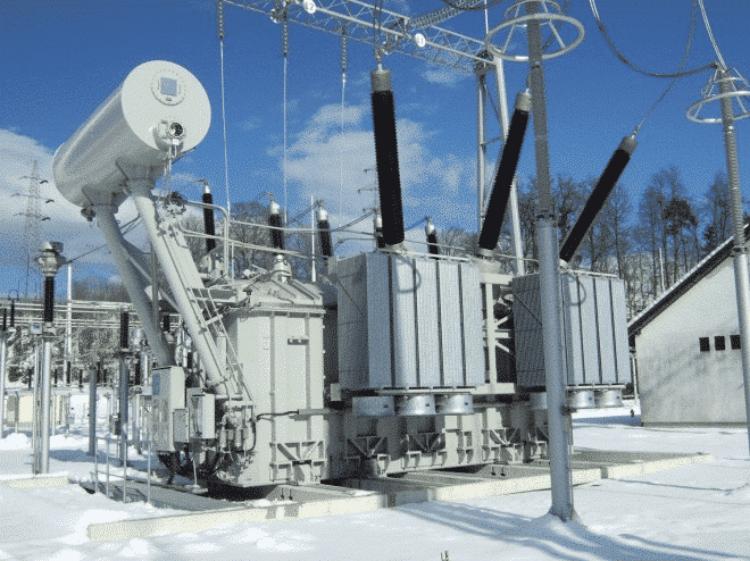
Sulfur hexafluoride, commonly known as SF₆, is widely used in gas-insulated switchgear, high voltage circuit breakers, GIS systems, and other electrical equipment. Its excellent dielectric strength and arc-quenching performance make it suitable for high voltage insulation and current interruption. U.S. EPA: SF₆ Basics
However, the presence of moisture can significantly affect SF₆ equipment. Excess water vapor may reduce insulation performance, promote condensation, accelerate corrosion, and contribute to the formation of harmful decomposition by-products after arcing.
For this reason, moisture testing is an important part of SF₆ gas quality inspection and equipment maintenance.
Moisture Testing and SF₆ Leak Detection Are Different
Before selecting an instrument, it is important to distinguish between two different tests:
1、SF₆ moisture testing measures water vapor content in the gas.
2、SF₆ leak detection locates and sometimes quantifies gas escaping from equipment.
A moisture test normally uses an SF₆ moisture analyzer or dew-point meter. A leak detector uses infrared imaging, NDIR sensing, or another gas-detection technology to identify leakage around valves, flanges, bushings, pipe connections, and enclosure seals.
An SF₆ leak detector cannot replace a moisture analyzer. Similarly, a moisture analyzer is not designed to locate external gas leaks.
Why Moisture Testing Matters in SF₆ Equipment
Moisture can enter SF₆ equipment during manufacturing, installation, maintenance, gas filling, or servicing. It may also accumulate because of poor sealing, condensation, or inadequate drying procedures.
High moisture content can lead to:
1、Reduced insulation reliability
2、Lower gas quality
3、Condensation at low temperatures
4、Corrosion of internal components
5、Accelerated insulation aging
6、Increased risk of harmful decomposition products
The acceptable moisture level depends on the equipment type, gas pressure, temperature, gas compartment, and applicable technical standard. Therefore, test results should be compared with the equipment manufacturer’s specification and the relevant industry requirements rather than with a universal value.
IEC 60376 specifies quality requirements for technical-grade SF₆ and complementary gases used in electrical equipment. It also describes detection techniques for gas analysis before introduction into electrical equipment. IEC 60376:2018
How to Test Moisture in SF₆ Gas
1. Use an SF₆ Moisture Analyzer
The most common method is to connect an SF₆ moisture analyzer to the gas compartment through a suitable sampling line.
Depending on the instrument, the analyzer may display:
1、Dew point
2、Frost point
3、Moisture concentration
4、Water vapor content in ppm by volume
5、Moisture content under pressure
6、Moisture content converted to atmospheric pressure
Dew point is the temperature at which moisture begins to condense from the gas. A lower dew point generally indicates a lower moisture content, but the result must be interpreted according to gas pressure and instrument configuration.
2. Prepare the Sampling Equipment
Before testing, confirm that the following items are available:
1、Calibrated SF₆ moisture analyzer
2、Compatible sampling hose
3、Pressure regulator or flow controller
4、Gas connection fittings
5、Exhaust or recovery system
6、Leak-free connectors
7、Personal protective equipment
All sampling lines should be clean, dry, and suitable for SF₆ service. Moisture inside the hose or fittings can contaminate the sample and produce a falsely high reading.
3. Connect the Analyzer Correctly
Connect the analyzer to the designated sampling port of the GIS or circuit breaker. Check every connection for tightness before opening the valve.
The sampling line should be as short as practical. Long or wet tubing can increase response time and affect measurement accuracy.
Avoid exposing the sample to ambient air. If air enters the sampling system, the measured moisture value may no longer represent the actual condition of the SF₆ compartment.
4. Purge the Sampling Line
The sampling line should be purged before recording the result. Purging removes residual air, moisture, and gas from a previous test.
The correct purge flow and duration depend on the analyzer and sampling system. Do not release SF₆ directly into the atmosphere unless the procedure and local regulations specifically allow it. Where required, collect and recover the gas using suitable SF₆ handling equipment.
5. Allow the Reading to Stabilize
After the gas begins flowing through the analyzer, allow the reading to stabilize. A rapidly changing value usually indicates one of the following:
1、Insufficient purging
2、Moisture in the sampling hose
3、Unstable gas flow
4、Incorrect pressure reduction
5、Temperature changes
6、A leaking connection
7、Sensor contamination
Record the result only after the instrument has reached a stable condition. For traceable maintenance records, also note the equipment identification, gas compartment, gas pressure, ambient temperature, test date, and instrument serial number.
6. Compare the Result with the Applicable Limit
The final result should be compared with:
1、The equipment manufacturer’s specification
2、The applicable gas-quality standard
3、The maintenance procedure for the equipment
4、Previous measurements from the same gas compartment
A single high reading should be investigated, but it should not automatically be interpreted as an internal equipment failure. Repeat the test after checking the sampling line, connections, pressure, and analyzer condition.
Common Errors During SF₆ Moisture Testing
Using a Leak Detector to Measure Moisture
A leak detector indicates the presence or concentration of escaping SF₆ near a suspected leak point. It does not measure water vapor inside the gas compartment.
For moisture measurement, use a dedicated dew-point or moisture analyzer.
Using Wet or Contaminated Tubing
A sampling tube that has absorbed moisture from the surrounding air can contaminate the SF₆ sample. This is one of the most common reasons for an unexpectedly high moisture reading.
Keep sampling accessories sealed and dry when not in use.
Ignoring Gas Pressure
Moisture readings can vary depending on pressure and the way the analyzer expresses the result. Always confirm whether the displayed value is referenced to the compartment pressure, atmospheric pressure, or another basis.
Recording an Unstable Reading
A reading that has not stabilized should not be used for final assessment. Continue purging and check the flow rate, fittings, temperature, and sensor condition.
Failing to Recover SF₆ Gas
SF₆ is a potent greenhouse gas. Testing and maintenance procedures should minimize emissions through leak prevention, gas recovery, and responsible handling. The EPA recommends leak detection and repair programs for SF₆-containing electrical equipment. EPA SF₆ Leak Detection and Repair
Choosing the Right SF₆ Detection Instrument
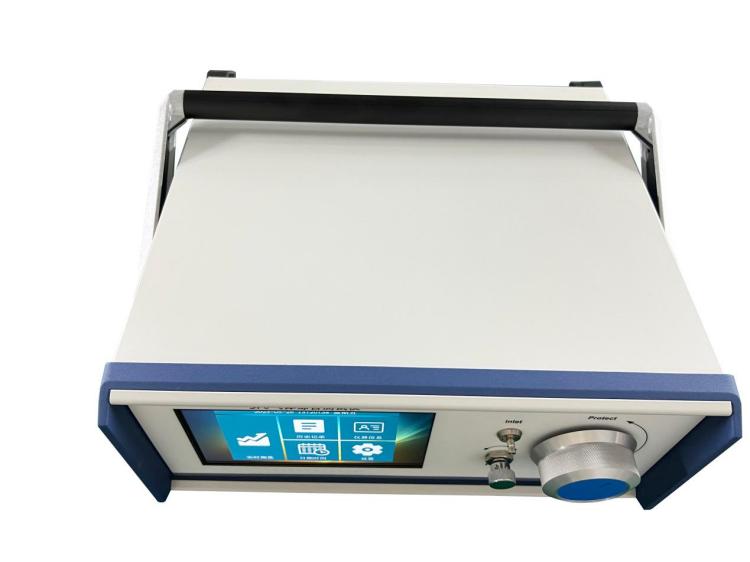
Moisture analyzers and leak detectors serve different purposes. The correct instrument depends on whether the task is gas-quality analysis, leak location, or both.
Weshine Electric is a professional high-tech manufacturer focusing on the R&D, production, and calibration of SF₆ gas testing and maintenance equipment. With standardized intelligent production workshops, independent precision laboratories, and full ISO quality management system certification, the factory strictly complies with IEC 60376, IEC 60480 and other international standards for instrument manufacturing and calibration. All Weshine SF₆ testing devices undergo strict factory testing, ensuring high detection accuracy, stable operation, and strong environmental adaptability for complex substation and high-voltage field maintenance scenarios, providing reliable standardized testing solutions for global power enterprises.
1. Infrared Imaging SF₆ Leak Detector
An infrared imaging leak detector uses an infrared focal-plane imaging system to visualize escaping SF₆ gas.
Its main advantages include:
1、Rapid leak-point localization
2、Non-contact inspection
3、Clear visual imaging
4、Easy inspection of large equipment
5、Reduced need for point-by-point scanning
This type of detector is useful for GIS, circuit breakers, gas pipelines, valves, flanges, and other SF₆-filled equipment. It is especially valuable when the operator needs to locate a leak quickly across a large installation.
It should not be confused with an SF₆ moisture analyzer. Infrared imaging identifies escaping gas; it does not determine the water vapor content inside the compartment.
2. Conventional SF₆ Leak Detector
A conventional SF₆ leak detector can be used for qualitative leak searching and, depending on the model, quantitative measurement.
Typical applications include:
1、Substations
2、Power supply facilities
3、High voltage switchgear manufacturers
4、Laboratory fume hoods
5、Research and development testing
6、Routine maintenance inspections
Some systems use a bagging method to estimate the annual leakage rate of SF₆ equipment. This involves enclosing the suspected leak area and measuring the accumulated gas concentration over a defined period.
These instruments are useful when operators need repeatable point measurements and practical on-site leak inspection.
3. Portable SF₆ Leak Detector
Portable detectors equipped with non-dispersive infrared technology can provide sensitive detection and quantitative leakage analysis.
They are commonly used for:
1、GIS leakage inspection
2、SF₆ circuit breakers
3、Gas-filled busbars
4、Valves and pipe joints
5、Portable maintenance work
6、Inspection of multiple substations
Compact, lightweight designs make portable detectors convenient for field engineers. Some models support both qualitative leak searching and quantitative concentration measurement.
Again, portable leak detection is separate from moisture analysis. If the maintenance task includes both leakage and gas quality, the site may require two dedicated instruments or a multifunctional analyzer that explicitly supports both functions.
Recommended Testing Workflow
A practical SF₆ inspection program can follow this sequence:
1、Inspect the equipment externally for pressure loss or visible damage.
2、Use an SF₆ leak detector to locate suspected leakage.
3、Repair and verify leaking connections where necessary.
4、Use an SF₆ moisture analyzer to test the gas quality.
5、Record dew point or moisture concentration after stabilization.
6、Compare the result with the manufacturer’s limit and previous records.
7、Recover, filter, or replace the gas when required.
8、Document the test conditions and maintenance actions.
This workflow prevents a common mistake: treating a leak problem and a moisture problem as if they were the same fault.
Safety and Environmental Considerations
SF₆ equipment should only be serviced by trained personnel familiar with high voltage systems, pressurized gas, gas recovery, and the possible decomposition products generated by electrical arcing.
Before sampling or maintenance:
1、Follow the equipment manufacturer’s isolation procedure.
2、Confirm that the equipment is de-energized when required.
3、Use suitable personal protective equipment.
4、Ventilate the work area.
5、Avoid breathing gas or decomposition products.
6、Use compatible hoses, regulators, and fittings.
7、Recover SF₆ whenever required by local regulations.
8、Inspect the system for leaks after maintenance.
SF₆ handling, maintenance, and disposal should comply with applicable environmental regulations and technical standards. IEC 62271-4 addresses the handling of SF₆ and related gases in high voltage switchgear applications. IEC 60480 provides criteria for the reuse of recovered SF₆ and its mixtures. IEC 60480:2019
Frequently Asked Questions
What instrument is used to test moisture in SF₆ gas?
A dedicated SF₆ moisture analyzer or dew-point meter is used to measure moisture content in SF₆ gas.
Can an SF₆ leak detector measure moisture?
No. A leak detector locates or quantifies SF₆ escaping from equipment. It does not measure water vapor inside the gas compartment.
What does a low SF₆ dew point indicate?
A low dew point generally indicates that the SF₆ contains a relatively small amount of moisture. The result must still be evaluated according to gas pressure, equipment specifications, and the applicable standard.
Why does an SF₆ moisture reading remain high after purging?
Possible causes include wet sampling tubing, contaminated fittings, insufficient purging, unstable flow, sensor contamination, or genuinely high moisture in the gas compartment.
How often should SF₆ moisture be tested?
The testing interval depends on the equipment manufacturer, maintenance schedule, gas pressure, operating environment, previous results, and local requirements. Testing is commonly performed during commissioning, after gas filling or maintenance, and when moisture or insulation problems are suspected.
Conclusion
Testing moisture in SF₆ gas requires a dedicated moisture analyzer, clean sampling equipment, controlled gas flow, adequate purging, and a stable measurement before recording the result.
SF₆ leak detectors remain important for locating escaping gas, but they perform a different function. Infrared imaging detectors, conventional detectors, and portable NDIR instruments are designed for leak inspection, while dew-point analyzers are designed for moisture measurement.
By selecting the correct instrument and following a controlled sampling procedure, maintenance teams can obtain more reliable SF₆ gas-quality data, protect the insulation performance of GIS and circuit breakers, and reduce unnecessary gas emissions.
As a professional SF₆ testing equipment manufacturer, Weshine Electric provides full-scene SF₆ gas detection solutions including moisture analysis, leak detection, gas recovery and purification. All products are fully compliant with IEC international standards and EPA environmental protection guidelines, helping power industry users achieve standardized equipment maintenance, accurate fault diagnosis, and low-carbon environmental operation. The team provides professional technical guidance, factory calibration services and customized solution support for global engineering and maintenance projects.