
- English
- Español
- Português
- русский
- Français
- 日本語
- Deutsch
- tiếng Việt
- Italiano
- Nederlands
- ภาษาไทย
- Polski
- 한국어
- Svenska
- magyar
- Malay
- বাংলা ভাষার
- Dansk
- Suomi
- हिन्दी
- Pilipino
- Türkçe
- Gaeilge
- العربية
- Indonesia
- Norsk
- تمل
- český
- ελληνικά
- український
- Javanese
- فارسی
- தமிழ்
- తెలుగు
- नेपाली
- Burmese
- български
- ລາວ
- Latine
- Қазақша
- Euskal
- Azərbaycan
- Slovenský jazyk
- Македонски
- Lietuvos
- Eesti Keel
- Română
- Slovenski
- मराठी
- Srpski језик

What Is Gas Analysis and Why Is It Critical for Industrial Safety and Efficiency
Gas analysis plays a vital role in modern industries, ensuring safety, compliance, and operational efficiency. From environmental monitoring to power generation and manufacturing, accurate gas measurement helps detect hazards, optimize processes, and reduce emissions. This comprehensive guide explores the principles, technologies, applications, and benefits of gas analysis while highlighting how companies like Weshine contribute to advanced gas analysis solutions.
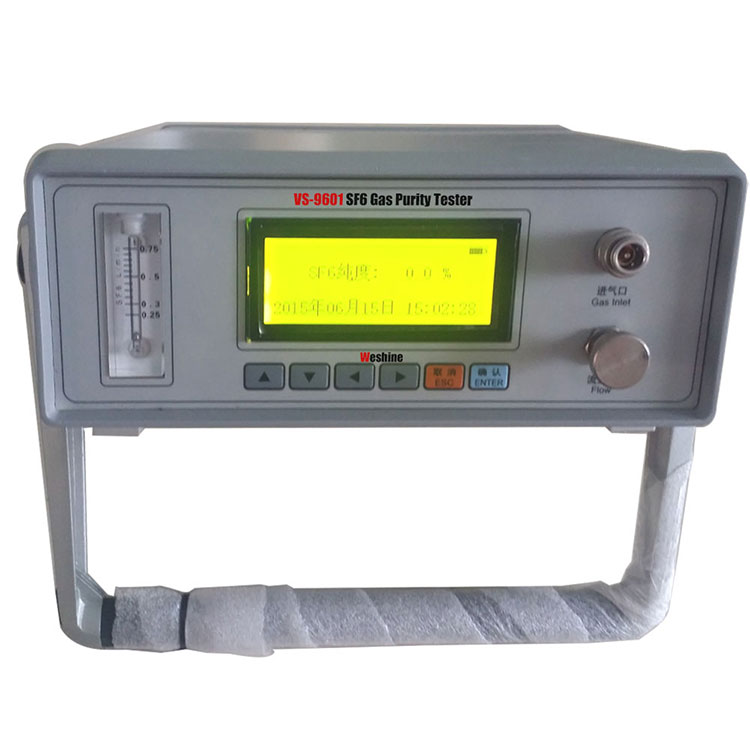
Table of Contents
- 1. What Is Gas Analysis?
- 2. Why Is Gas Analysis Important?
- 3. Types of Gas Analysis Technologies
- 4. Key Gases Commonly Analyzed
- 5. Applications of Gas Analysis
- 6. Gas Analysis Methods Comparison
- 7. Advantages of Modern Gas Analysis Systems
- 8. How to Choose the Right Gas Analyzer
- 9. Future Trends in Gas Analysis
- 10. FAQ
1. What Is Gas Analysis?
Gas analysis refers to the process of identifying and quantifying different gases within a mixture. It involves the use of specialized instruments to measure gas concentrations, composition, and properties. These measurements are essential for maintaining safe working environments and ensuring process efficiency.
Gas analyzers are widely used in industries such as energy, petrochemical, environmental monitoring, and manufacturing. Companies like Weshine provide advanced gas analysis equipment designed for precision and reliability in complex environments.
2. Why Is Gas Analysis Important?
Gas analysis is not just a technical process—it is a critical component of industrial safety and operational excellence.
- Safety Assurance: Detects toxic or explosive gases to prevent accidents.
- Environmental Compliance: Ensures emissions meet regulatory standards.
- Process Optimization: Helps maintain ideal operating conditions.
- Cost Efficiency: Reduces waste and energy consumption.
- Equipment Protection: Prevents damage caused by harmful gases.
Without proper gas analysis, industries risk safety hazards, regulatory penalties, and inefficiencies.
3. Types of Gas Analysis Technologies
Various technologies are used in gas analysis, each suited for specific applications:
3.1 Infrared (IR) Gas Analysis
- Measures gas concentration based on infrared absorption
- Common for CO₂, CO, and hydrocarbons
3.2 Electrochemical Sensors
- Detect toxic gases like CO, NOx, and SO₂
- Highly sensitive and cost-effective
3.3 Thermal Conductivity Detectors (TCD)
- Measures differences in heat conductivity
- Suitable for hydrogen and helium detection
3.4 Gas Chromatography
- Separates complex gas mixtures
- Provides highly accurate composition analysis
3.5 Laser-Based Gas Analysis
- Uses tunable diode lasers for precise measurement
- Ideal for real-time monitoring
Modern systems from Weshine integrate multiple technologies to deliver comprehensive gas analysis solutions.
4. Key Gases Commonly Analyzed
| Gas | Purpose of Analysis | Industry Application |
|---|---|---|
| Oxygen (O₂) | Combustion control | Power plants |
| Carbon Monoxide (CO) | Toxic gas detection | Industrial safety |
| Carbon Dioxide (CO₂) | Emission monitoring | Environmental compliance |
| Hydrogen (H₂) | Leak detection | Energy sector |
| Sulfur Dioxide (SO₂) | Pollution control | Chemical plants |
Accurate measurement of these gases is essential for maintaining safe and efficient industrial operations.
5. Applications of Gas Analysis
Gas analysis is widely used across multiple industries:
- Power Generation: Monitoring combustion gases for efficiency.
- Oil & Gas: Detecting leaks and ensuring process safety.
- Environmental Monitoring: Measuring air quality and emissions.
- Manufacturing: Controlling gas composition in production.
- Laboratories: Conducting research and testing.
Advanced gas analysis systems by Weshine are designed to meet the demands of these diverse applications.
6. Gas Analysis Methods Comparison
| Method | Accuracy | Speed | Cost | Best Use Case |
|---|---|---|---|---|
| Infrared | High | Fast | Medium | Emission monitoring |
| Electrochemical | Moderate | Fast | Low | Toxic gas detection |
| Gas Chromatography | Very High | Slow | High | Complex analysis |
| Laser-Based | Very High | Very Fast | High | Real-time monitoring |
7. Advantages of Modern Gas Analysis Systems
- High accuracy and reliability
- Real-time monitoring capabilities
- Remote data access and automation
- Low maintenance requirements
- Integration with smart systems
With innovations from companies like Weshine, gas analysis systems are becoming more intelligent and efficient.
8. How to Choose the Right Gas Analyzer
When selecting a gas analyzer, consider the following factors:
- Type of Gas: Identify the gases you need to measure.
- Measurement Range: Ensure compatibility with expected concentrations.
- Accuracy Requirements: Choose based on application precision needs.
- Environment: Consider temperature, humidity, and hazardous conditions.
- Maintenance: Evaluate ease of calibration and servicing.
Choosing the right system from a reliable provider like Weshine ensures long-term performance and reliability.
9. Future Trends in Gas Analysis
The future of gas analysis is driven by technological innovation:
- Integration with IoT and smart monitoring systems
- AI-powered predictive analytics
- Miniaturized and portable analyzers
- Enhanced sensitivity and accuracy
- Real-time cloud-based data management
These advancements will further enhance safety, efficiency, and sustainability across industries.
10. FAQ
Q1: What industries benefit most from gas analysis?
Industries such as power generation, oil and gas, chemical processing, and environmental monitoring benefit significantly from gas analysis.
Q2: How often should gas analyzers be calibrated?
Calibration frequency depends on usage and environment, but typically ranges from monthly to annually.
Q3: What is the most accurate gas analysis method?
Gas chromatography is considered one of the most accurate methods, especially for complex gas mixtures.
Q4: Can gas analysis systems be automated?
Yes, modern systems support automation and remote monitoring for real-time data analysis.
Q5: Why choose Weshine for gas analysis solutions?
Weshine offers advanced, reliable, and high-precision gas analysis equipment tailored to various industrial applications.
Conclusion
Gas analysis is a cornerstone of modern industry, ensuring safety, efficiency, and environmental responsibility. By leveraging advanced technologies and reliable systems from trusted providers like Weshine, businesses can optimize operations and meet stringent regulatory requirements.
If you are looking for high-quality gas analysis solutions tailored to your needs, contact us today to discover how Weshine can support your success.