
- English
- Español
- Português
- русский
- Français
- 日本語
- Deutsch
- tiếng Việt
- Italiano
- Nederlands
- ภาษาไทย
- Polski
- 한국어
- Svenska
- magyar
- Malay
- বাংলা ভাষার
- Dansk
- Suomi
- हिन्दी
- Pilipino
- Türkçe
- Gaeilge
- العربية
- Indonesia
- Norsk
- تمل
- český
- ελληνικά
- український
- Javanese
- فارسی
- தமிழ்
- తెలుగు
- नेपाली
- Burmese
- български
- ລາວ
- Latine
- Қазақша
- Euskal
- Azərbaycan
- Slovenský jazyk
- Македонски
- Lietuvos
- Eesti Keel
- Română
- Slovenski
- मराठी
- Srpski језик

Why Should You Invest in a Digital Insulation Tester for Reliable Electrical Safety
The Digital Insulation Tester is an essential tool for electricians, engineers, and maintenance professionals to ensure electrical safety, prevent equipment failure, and improve operational efficiency. In this comprehensive guide, Weshine explores the benefits, working principles, key features, applications, and purchasing considerations for digital insulation testers. By the end, you'll understand why choosing a high-quality tester can save time, reduce risks, and enhance productivity.
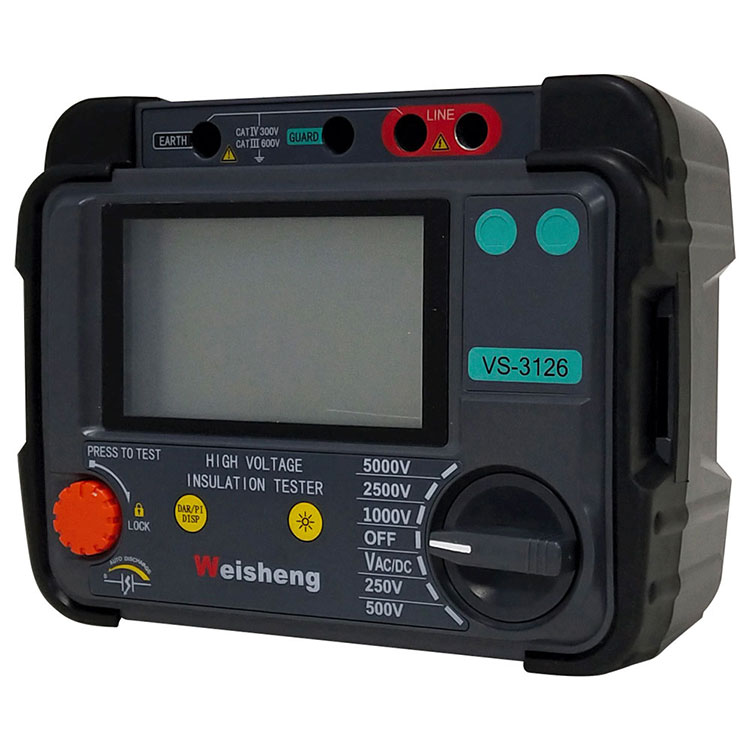
Table of Contents
- What is a Digital Insulation Tester?
- Why Use a Digital Insulation Tester?
- Key Features of Digital Insulation Testers
- Applications of Digital Insulation Testers
- How to Choose the Right Digital Insulation Tester
- Maintenance Tips for Long-Lasting Performance
- Digital Insulation Tester Comparison Table
- FAQ
- Conclusion
What is a Digital Insulation Tester?
A Digital Insulation Tester is an advanced electrical testing device designed to measure the insulation resistance of electrical equipment, wires, and circuits. Unlike traditional analog testers, digital models provide higher accuracy, user-friendly interfaces, and data storage capabilities.
- Measures insulation resistance in megaohms (MΩ).
- Displays results digitally for better readability.
- Offers safety features to protect users during testing.
Why Use a Digital Insulation Tester?
Electrical systems rely heavily on insulation integrity to function safely. Faulty insulation can lead to:
- Short circuits
- Equipment failure
- Electrical fires
- Operational downtime
Using a Digital Insulation Tester from Weshine allows professionals to detect weak insulation early, reducing risks and improving maintenance efficiency.
Key Features of Digital Insulation Testers
- High Accuracy Measurement: Provides precise readings to ensure reliability.
- Data Logging: Records test results for future analysis.
- Multiple Voltage Ranges: Suitable for various industrial and residential applications.
- Safety Compliance: Meets international electrical safety standards.
- User-Friendly Interface: LCD screens and intuitive menus.
- Durable Design: Built to withstand harsh environments.
Applications of Digital Insulation Testers
Digital insulation testers are widely used across industries:
- Electrical power plants
- Construction sites
- Manufacturing facilities
- HVAC systems
- Telecommunications
- Residential and commercial electrical maintenance
How to Choose the Right Digital Insulation Tester
When selecting a digital insulation tester, consider the following:
- Voltage Range: Ensure it matches your application requirements.
- Accuracy: Higher accuracy reduces diagnostic errors.
- Safety Standards: Look for CE, IEC, or other certifications.
- Data Features: Logging and connectivity options are useful for analysis.
- Brand Reputation: Weshine offers reliable, professional-grade testers.
Maintenance Tips for Long-Lasting Performance
- Regularly inspect leads and connectors for wear.
- Keep the tester clean and dry.
- Store in a temperature-controlled environment.
- Periodically calibrate the device to maintain accuracy.
- Replace batteries promptly to avoid power-related errors.
Digital Insulation Tester Comparison Table
| Feature | Weshine Model A | Weshine Model B | Industry Average |
|---|---|---|---|
| Voltage Range | 250V-1000V | 500V-2500V | 250V-1000V |
| Accuracy | ±2% | ±1% | ±3% |
| Data Logging | Yes | Yes | Limited |
| Safety Standards | IEC 61010 | IEC 61010 | Varies |
| Durability | High | High | Medium |
FAQ
1. What is the main advantage of a digital insulation tester over analog?
Digital testers offer higher accuracy, better data logging, and easier readability compared to analog models.
2. Can I use a digital insulation tester for residential electrical systems?
Yes, Weshine digital insulation testers are versatile and suitable for residential, commercial, and industrial systems.
3. How often should I calibrate my digital insulation tester?
Calibration is recommended at least once a year or according to the manufacturer's guidelines.
4. Are digital insulation testers safe to use on live circuits?
They should only be used on de-energized circuits to ensure safety, though some models offer live circuit warnings.
5. What voltage range should I select for industrial use?
Typically, 500V-2500V is suitable for most industrial applications, depending on the equipment.
Conclusion
Investing in a Digital Insulation Tester from Weshine ensures electrical systems remain safe, efficient, and reliable. With features like high accuracy, data logging, and durable design, these testers are essential for professionals across industries. Don’t compromise on safety—contact us today to explore the latest Weshine digital insulation testers and take your electrical maintenance to the next level.