
- English
- Español
- Português
- русский
- Français
- 日本語
- Deutsch
- tiếng Việt
- Italiano
- Nederlands
- ภาษาไทย
- Polski
- 한국어
- Svenska
- magyar
- Malay
- বাংলা ভাষার
- Dansk
- Suomi
- हिन्दी
- Pilipino
- Türkçe
- Gaeilge
- العربية
- Indonesia
- Norsk
- تمل
- český
- ελληνικά
- український
- Javanese
- فارسی
- தமிழ்
- తెలుగు
- नेपाली
- Burmese
- български
- ລາວ
- Latine
- Қазақша
- Euskal
- Azərbaycan
- Slovenský jazyk
- Македонски
- Lietuvos
- Eesti Keel
- Română
- Slovenski
- मराठी
- Srpski језик

Is Your Surge Arrester Failing from Internal Moisture or Surface Pollution?
A gradual increase in leakage current does not always mean a surge arrester has reached the end of its service life. In many cases, the same abnormal reading can result from two completely different causes: internal moisture ingress or surface contamination. Although both conditions affect electrical performance, they require different maintenance strategies. Misidentifying the root cause can lead to unnecessary equipment replacement or, even worse, leave a deteriorating arrester in service.
During field inspections, I often see maintenance teams rely on a single leakage current measurement to judge arrester condition. That approach rarely tells the whole story. Environmental conditions, pollution, humidity, and even the cleanliness of the arrester housing can influence the measurement. Without additional testing, it is difficult to determine whether the problem is located inside the arrester or only on its surface.
This guide explains how to distinguish between internal moisture and surface pollution, which diagnostic methods provide the most reliable results, and why a systematic testing procedure is essential for accurate surge arrester maintenance.
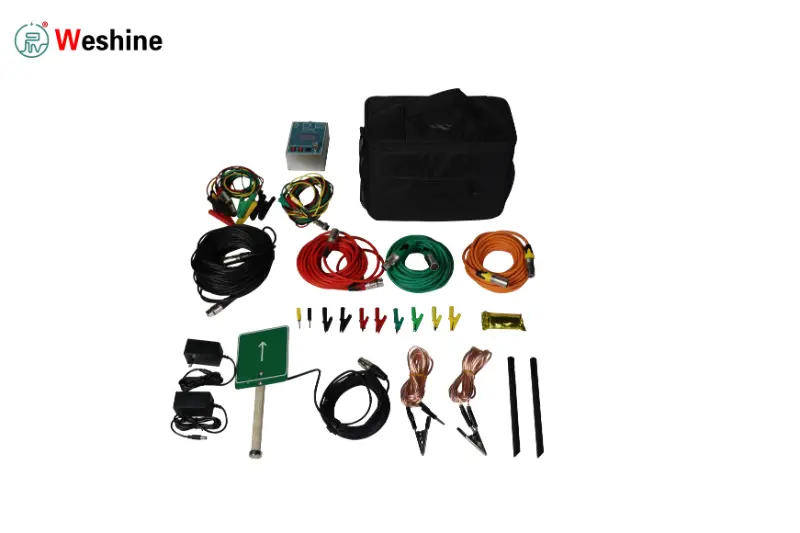
Understanding the Two Most Common Failure Modes
Internal Moisture Ingress
Internal moisture is one of the most serious failure modes affecting ZnO surge arresters. Moisture usually enters through damaged seals, cracked housings, aging gaskets, or manufacturing defects that allow water vapor to penetrate the arrester over time.
Once moisture reaches the metal oxide varistor (MOV) blocks, the electrical characteristics begin to change. Leakage current gradually increases, insulation resistance decreases, and thermal stability deteriorates. If the problem continues unchecked, the arrester may eventually experience thermal runaway or catastrophic failure during a lightning or switching surge.
Unlike surface contamination, internal moisture cannot be removed through routine cleaning. The deterioration occurs inside the sealed housing and generally requires repair or replacement of the arrester.
Typical causes include:
· Damaged sealing rings
· Poor sealing during manufacturing
· Mechanical impact during transportation
· Aging polymer seals
· Long-term exposure to humid environments
· Water ingress after housing damage
Because these defects develop internally, they often remain invisible during routine visual inspections.
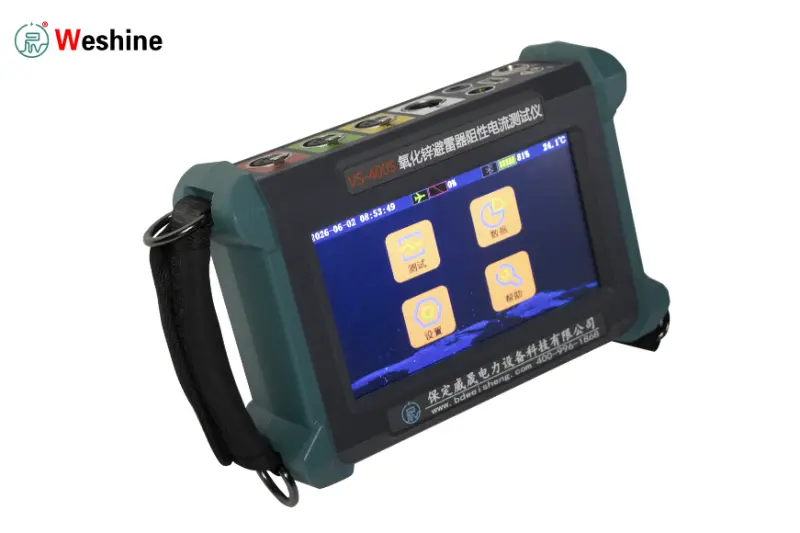
Surface Contamination
Surface contamination affects the arrester in a completely different way.
Instead of changing the internal insulation system, contamination creates a conductive layer across the outside surface of the housing. Dust, industrial pollution, salt deposits, cement particles, and chemical residues absorb moisture from the air and increase surface conductivity.
When humidity rises, leakage current begins flowing across the contaminated housing rather than through the internal insulation.
In severe cases, this condition may lead to:
· Surface leakage current drift
· Dry-band arcing
· Surface tracking
· Pollution flashover
· Temporary overheating
Fortunately, this type of problem is often reversible. Proper cleaning usually restores the leakage current to its normal level.
For utilities operating in coastal regions, mining facilities, cement plants, and chemical industries, surface contamination is often a routine maintenance issue rather than a sign of arrester failure.
Why Both Faults Look Similar
One reason these two failure modes are frequently confused is that they produce similar electrical symptoms during routine testing.
Both conditions may cause:
· Increased total leakage current
· Higher resistive current
· Abnormal operating temperature
· Reduced insulation performance
If I rely only on a single leakage current measurement, I cannot confidently determine which fault is present.
The difference becomes clearer only after combining several diagnostic techniques, including visual inspection, cleaning, infrared thermography, and historical trend analysis.
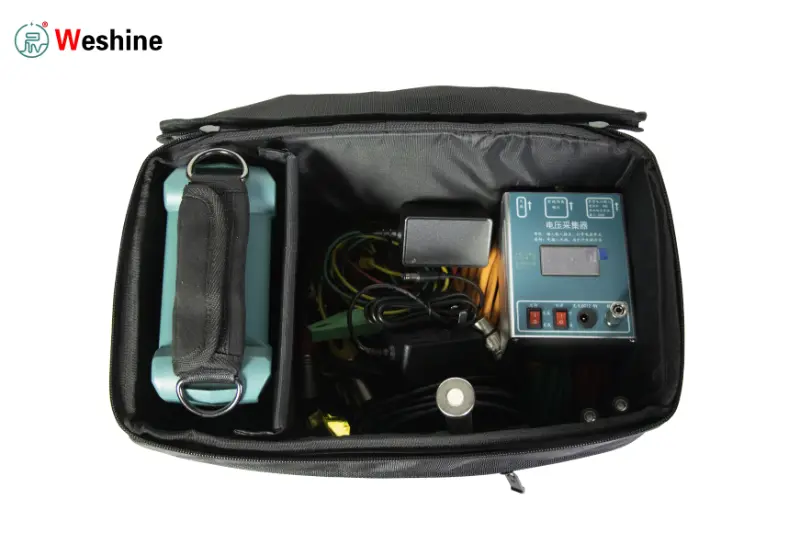
How to Differentiate Internal Moisture from Surface Pollution
Accurate diagnosis requires more than collecting electrical data. I follow a structured testing sequence that gradually eliminates possible causes until the root problem becomes clear.
Step 1: Perform a Thorough Visual Inspection
Every diagnosis begins with a careful visual examination.
I inspect the arrester for:
· Cracked polymer housing
· Broken porcelain
· Damaged end fittings
· Seal deterioration
· Oil or water leakage
· Heavy dust accumulation
· Salt contamination
· Bird droppings
· Industrial pollution
Visible seal damage immediately increases my suspicion of internal moisture, while heavy external contamination usually indicates that surface leakage may be responsible for abnormal measurements.
Photographs taken during the inspection also provide valuable documentation for future maintenance comparisons.
Step 2: Compare Leakage Current with Historical Records
Historical data often provides more useful information than a single test result.
Every surge arrester develops its own electrical "fingerprint" during factory testing. Routine maintenance measurements can then be compared with this baseline to identify gradual performance changes.
For example:
· Stable leakage current over several years usually indicates healthy internal insulation.
· A slow but continuous increase may suggest moisture ingress or aging.
· A sudden increase during periods of heavy pollution often points toward surface contamination.
Trend analysis helps distinguish temporary environmental effects from permanent internal deterioration.
Step 3: Clean the Arrester Before Retesting
This is one of the simplest yet most effective diagnostic techniques.
After recording the initial leakage current, I thoroughly clean the arrester housing using approved maintenance procedures. Once the surface is dry, I repeat the measurement under similar environmental conditions.
The comparison between the two measurements often provides the clearest indication of the fault location.
If the leakage current decreases significantly after cleaning, surface contamination was likely responsible.
If the readings remain nearly unchanged, I begin investigating internal moisture or insulation deterioration.
This before-and-after comparison forms one of the strongest pieces of evidence in practical arrester diagnostics.
Step 4: Use Infrared Thermography
Infrared thermography provides another valuable diagnostic tool.
As internal deterioration develops, damaged MOV blocks often generate localized heating because leakage current increases inside the arrester.
Using a thermal imaging camera, I compare the temperature distribution with nearby arresters operating under similar conditions.
Localized hot spots may indicate:
· Internal moisture
· Aging MOV blocks
· Excessive resistive current
· Internal defects
By contrast, surface contamination usually produces more uniform temperature patterns unless severe dry-band arcing has already developed.
Thermal inspection also offers the advantage of detecting abnormal operating conditions without disconnecting the arrester from service.
Step 5: Apply Advanced Electrical Diagnostic Tests
When routine inspection does not provide a definitive answer, I move to more advanced diagnostic methods.
Common techniques include:
· Partial Discharge (PD) Testing to detect insulation defects inside the arrester.
· U1mA Reference Voltage Measurement to evaluate the electrical characteristics of the MOV blocks.
· Harmonic Analysis of leakage current to separate capacitive and resistive components more accurately.
· Insulation Resistance Testing, where applicable, to support the overall diagnosis.
Each method provides additional information about the arrester's internal condition, allowing maintenance engineers to distinguish between temporary environmental effects and permanent insulation degradation with much greater confidence.
How Manufacturers Reduce Moisture and Pollution Failures
Modern surge arrester design has advanced significantly over the past two decades. Manufacturers now focus on preventing failures before the equipment leaves the factory rather than relying solely on field maintenance.
Improved Sealing Systems
The sealing system is the first barrier against moisture ingress.
A well-designed arrester uses high-quality sealing rings, corrosion-resistant metal fittings, and carefully controlled assembly processes to prevent water vapor from entering the housing. Even a small defect around an end fitting can allow moisture to penetrate slowly over several years.
For applications in tropical or coastal regions, I recommend selecting arresters specifically designed for high-humidity environments instead of relying on standard products.
Silicone Polymer vs. Porcelain Housing
Housing material has a major influence on long-term performance in polluted environments.
Silicone polymer housings have become the preferred choice for many utilities because they offer:
· Excellent hydrophobic performance
· Lower maintenance requirements
· Better contamination resistance
· Reduced weight
· Improved impact resistance
The hydrophobic surface causes water to form droplets instead of creating a continuous conductive film, helping reduce surface leakage current during rain or fog.
Porcelain housings remain common in some installations due to their mechanical strength and long service history. However, they generally require more frequent cleaning in heavily polluted or coastal environments because contaminants adhere more easily to the surface.
The best choice depends on environmental conditions, maintenance strategy, and project requirements.
Creepage Distance Optimization
Creepage distance is another important design factor.
Increasing the distance along the housing surface makes it more difficult for leakage current to develop under contaminated conditions.
Manufacturers often provide different creepage distances for:
· Light pollution
· Medium pollution
· Heavy industrial pollution
· Coastal environments
· Desert regions
Selecting an arrester with an appropriate creepage distance significantly reduces the risk of pollution flashover during long-term operation.
Environmental Qualification Testing
Before entering commercial production, high-quality surge arresters undergo environmental qualification tests that simulate years of service under harsh operating conditions.
These evaluations may include:
· Humidity cycling
· Salt fog testing
· UV aging
· Temperature cycling
· Water penetration tests
· Mechanical vibration
· Thermal stability verification
These tests help verify that the sealing system and housing materials maintain reliable performance throughout the product's expected service life.
Field Inspection and Preventive Maintenance
Even the best-designed surge arrester requires routine inspection.
A preventive maintenance program is far more effective than waiting for a failure to occur.
Establish a Standard Inspection Routine
During every maintenance visit, I follow a consistent inspection sequence:
1. Verify the equipment identification.
2. Perform a complete visual inspection.
3. Record ambient temperature and humidity.
4. Inspect the housing for contamination.
5. Measure leakage current.
6. Clean the housing if necessary.
7. Repeat the electrical measurement.
8. Compare the results with previous inspection records.
Using the same procedure every time improves measurement consistency and simplifies long-term trend analysis.
Adjust Maintenance to Local Conditions
Environmental conditions should determine inspection frequency.
For example:
· Coastal substations may require cleaning several times each year because of salt deposits.
· Industrial facilities often experience heavy dust or chemical contamination.
· Humid tropical regions require closer attention to seal condition and moisture ingress.
· Desert installations accumulate fine sand that can increase surface conductivity when combined with moisture.
Instead of following a fixed maintenance interval, I recommend adjusting inspection schedules according to local environmental conditions and historical performance data.
Keep Complete Maintenance Records
Good maintenance records are just as valuable as accurate measurements.
Each inspection should document:
· Inspection date
· Weather conditions
· Ambient temperature
· Relative humidity
· Leakage current
· Cleaning performed
· Thermal imaging results
· Visual observations
· Corrective actions
Historical records make it much easier to identify gradual deterioration and support warranty discussions if a failure occurs.
Common Diagnostic Mistakes
Many incorrect maintenance decisions result from incomplete diagnosis rather than faulty test equipment.
Some of the most common mistakes include:
Judging by a Single Leakage Current Reading
Leakage current changes with humidity, contamination, and operating conditions.
A single measurement rarely provides enough evidence to confirm internal deterioration
Skipping Cleaning Before Testing
Cleaning is one of the simplest diagnostic tools available.
Without comparing measurements before and after cleaning, it is difficult to determine whether the abnormal current originates inside the arrester or only on its surface
Depending Only on Visual Inspection
An arrester may appear completely normal while severe moisture damage develops inside the housing.
Electrical measurements should always accompany visual inspections.
Ignoring Historical Trends
Trend analysis often reveals problems that individual measurements cannot.
A slow increase in leakage current over several years usually provides stronger evidence of deterioration than one isolated reading.
Choosing the Right Arrester for Harsh Environments
Equipment selection plays a major role in long-term reliability.
For installations exposed to severe pollution, high humidity, or coastal conditions, I recommend evaluating more than the basic electrical ratings.
Important considerations include:
· Housing material
· Creepage distance
· Sealing technology
· Pollution class
· Environmental qualification testing
· Manufacturer quality control
· Availability of technical support
Manufacturers that offer customized designs for specific environmental conditions often deliver better long-term performance than standard products used outside their intended application.
Close cooperation between manufacturers, EPC contractors, utilities, and maintenance teams also creates valuable feedback that improves future product designs.
Frequently Asked Questions
1. How can I quickly distinguish internal moisture from surface contamination?
The most practical method is to compare leakage current before and after cleaning the arrester.
If the current decreases significantly after cleaning, surface contamination is the likely cause. If little or no change occurs, further investigation for internal moisture is recommended.
2. How often should surge arresters be cleaned?
There is no universal maintenance interval.
Cleaning frequency depends on environmental conditions, pollution level, humidity, and local maintenance practices. Coastal and industrial locations generally require more frequent inspections than clean inland environments.
3. Is visual inspection alone sufficient?
No.
Visual inspection can identify cracks, contamination, and obvious mechanical damage, but it cannot detect many internal insulation problems.
Electrical testing remains essential for reliable condition assessment.
4. Which housing material performs better in polluted environments?
Silicone polymer housings generally provide better contamination resistance because of their hydrophobic surface properties.
However, proper product selection should always consider mechanical requirements, operating environment, maintenance capability, and applicable industry standards.
Conclusion
An increase in leakage current does not automatically indicate that a surge arrester has failed. Internal moisture ingress and surface contamination often produce similar electrical symptoms, yet they require completely different maintenance strategies. Accurate diagnosis depends on combining visual inspection, leakage current measurements, cleaning and retesting, infrared thermography, and advanced electrical diagnostics rather than relying on a single test result.
From my experience, the most reliable maintenance programs focus on trend analysis instead of isolated measurements. Comparing current results with factory baseline data and historical inspection records provides a much clearer picture of arrester condition over time. When this approach is combined with appropriate product selection, regular preventive maintenance, and careful environmental monitoring, utilities and industrial facilities can reduce unexpected failures, extend arrester service life, and improve the overall reliability of their power systems.