
- English
- Español
- Português
- русский
- Français
- 日本語
- Deutsch
- tiếng Việt
- Italiano
- Nederlands
- ภาษาไทย
- Polski
- 한국어
- Svenska
- magyar
- Malay
- বাংলা ভাষার
- Dansk
- Suomi
- हिन्दी
- Pilipino
- Türkçe
- Gaeilge
- العربية
- Indonesia
- Norsk
- تمل
- český
- ελληνικά
- український
- Javanese
- فارسی
- தமிழ்
- తెలుగు
- नेपाली
- Burmese
- български
- ລາວ
- Latine
- Қазақша
- Euskal
- Azərbaycan
- Slovenský jazyk
- Македонски
- Lietuvos
- Eesti Keel
- Română
- Slovenski
- मराठी
- Srpski језик

What Is a Partial Discharge Test and Why Is It Essential for Electrical Asset Integrity
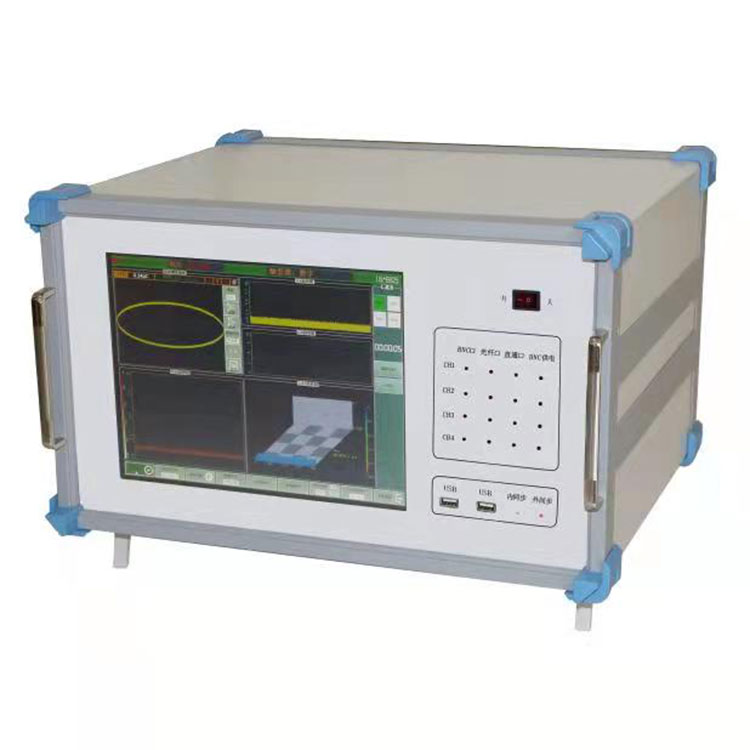
Partial Discharge Test plays a pivotal role in high-voltage insulation diagnostics and predictive maintenance. In this comprehensive article, we explore what partial discharge (PD) is, how PD testing equipment works, and why high-quality testing systems — such as the Weshine Partial Discharge Test solutions — are essential in preventing costly electrical failures.
📌 Article Summary
This blog covers:
- Fundamental concepts behind partial discharge and its impact on electrical systems.
- How a partial discharge test is conducted and the types of PD detection methods.
- Technical features and advantages of modern PD test equipment, including those offered by Weshine.:contentReference[oaicite:0]{index=0}
- Industry use cases and standards for PD testing.
- Practical comparison table outlining PD test methods and key considerations.
- FAQs to answer common questions on PD testing technology.
- Actionable advice on choosing the right PD test system with a clear call to Contact Us at the end.
📑 Table of Contents
- What Is Partial Discharge?
- Why Perform a Partial Discharge Test?
- How Partial Discharge Testing Works
- Advantages of Weshine Partial Discharge Test Equipment
- Comparison: PD Test Methods
- Typical Applications
- Frequently Asked Questions
- Conclusion & Contact
🔍 What Is Partial Discharge?
Partial discharge (PD) refers to a localized electrical discharge that only partially bridges the insulation between conductors. Unlike complete breakdowns, PD events do not fully arc between conductors, but they emit electromagnetic signals, acoustic emissions, and electrical pulses that signify insulation stress. These discharges occur when minute voids, surface tracking, corona, or microscopic defects develop within or on the surface of insulating media.:contentReference[oaicite:1]{index=1}
Though initially small and often undetectable by routine inspections, PD accelerates insulation degradation over time. In fact, insulation failure is a leading cause of electrical equipment breakdowns, and PD is often the earliest detectable symptom of insulation deterioration.:contentReference[oaicite:2]{index=2}
📊 Why Perform a Partial Discharge Test?
A Partial Discharge Test is a critical predictive maintenance tool used to:
- Detect early signs of insulation breakdown before catastrophic failure occurs.
- Evaluate the dielectric condition of assets like transformers, switchgear, cables, and motors.
- Improve operational reliability, safety, and asset life cycle.
Without PD testing, high-voltage insulation faults may progress unnoticed, ultimately leading to unplanned downtime, costly repairs, and safety hazards.
⚙️ How Partial Discharge Testing Works
Modern PD testing involves advanced instruments capable of detecting electrical, acoustic, and electromagnetic signatures associated with discharge events. These test systems often use multiple detection methods, including:
- Ultrasonic detection – senses high-frequency sound waves emitted by PD activity.:contentReference[oaicite:3]{index=3}
- High-frequency current transformers (HFCT) – capture PD current pulses.:contentReference[oaicite:4]{index=4}
- UHF sensors – detect ultra-high frequency electromagnetic waves.:contentReference[oaicite:5]{index=5}
- Transient Earth Voltage (TEV) detection – records voltage transients on metal surfaces.:contentReference[oaicite:6]{index=6}
Data from these sensors is analyzed to generate PD intensity maps, waveforms, and trend reports that enable precise evaluation and corrective action planning.
⭐ Advantages of Weshine Partial Discharge Test Equipment
Weshine Electric offers an extensive range of PD test solutions designed for reliability, precision, and ease of use. As a professional manufacturer and supplier of PD testing systems, Weshine products can:
- Identify insulation defects including surface tracking, corona, arcing, internal voids, and floating electrodes.:contentReference[oaicite:7]{index=7}
- Support multiple PD detection modes for comprehensive diagnostics.
- Provide intuitive data visualization with waveform displays and analytical tools.
- Offer robust hardware suitable for field and laboratory environments.
Whether used for routine inspection or detailed analysis of transformer insulation and high-voltage accessories, Weshine Partial Discharge Test systems bring advanced diagnostics to complex electrical maintenance workflows.
📈 Partial Discharge Test Methods Comparison
| Detection Method | Signal Type | Application | Strength |
|---|---|---|---|
| Ultrasonic | Acoustic | Surface discharges, corona | High noise immunity |
| HFCT | Electrical Pulse | Internal PD in cables, transformer | Accurate pulse detection |
| UHF | EM Radiation | Switchgear & GIS | High resolution location |
| TEV | Voltage transient | Metal-enclosed equipment | Non-intrusive |
💡 Typical Applications of Partial Discharge Testing
Partial Discharge Tests are used across a wide range of high-voltage electrical assets:
- Transformers: To ensure winding and insulation integrity.
- Switchgear: To identify deteriorated insulation before failure.
- High Voltage Cables: To pinpoint weak insulation zones.:contentReference[oaicite:8]{index=8}
- Rotating Machines: For motor and generator insulation evaluation.:contentReference[oaicite:9]{index=9}
❓ Frequently Asked Questions
What does a Partial Discharge Test detect?
It identifies localized insulation defects such as corona, voids, surface tracking, or floating electrodes that may lead to insulation failure over time.
Is PD testing non-destructive?
Yes — a proper PD test is non-destructive and can be performed under normal operating voltages to assess insulation condition without damaging equipment.:contentReference[oaicite:10]{index=10}
How often should PD tests be performed?
Frequency depends on asset age, criticality, and environmental stress, but regular intervals (e.g., annually) are common for high-voltage infrastructure.
Can PD testing replace other electrical tests?
No — it complements other diagnostics like insulation resistance and hipot tests to provide a holistic assessment.
📬 Conclusion & Contact
In summary, a Partial Discharge Test is vital for ensuring the long-term health of high-voltage insulation systems. Advanced equipment — such as the Weshine Partial Discharge Test platforms — enables precise detection, clear diagnostics, and improved asset reliability.:contentReference[oaicite:11]{index=11}
If you’re ready to enhance your maintenance strategy with professional PD testing tools or want a customized testing solution, Contact Us to get expert guidance, pricing information, and personalized recommendations. Our team is happy to support your technical and procurement needs.