- English
- Español
- Português
- русский
- Français
- 日本語
- Deutsch
- tiếng Việt
- Italiano
- Nederlands
- ภาษาไทย
- Polski
- 한국어
- Svenska
- magyar
- Malay
- বাংলা ভাষার
- Dansk
- Suomi
- हिन्दी
- Pilipino
- Türkçe
- Gaeilge
- العربية
- Indonesia
- Norsk
- تمل
- český
- ελληνικά
- український
- Javanese
- فارسی
- தமிழ்
- తెలుగు
- नेपाली
- Burmese
- български
- ລາວ
- Latine
- Қазақша
- Euskal
- Azərbaycan
- Slovenský jazyk
- Македонски
- Lietuvos
- Eesti Keel
- Română
- Slovenski
- मराठी
- Srpski језик

Home
>
Products > Transformer Test > Sweep Frequency Response Test > Automatic Transformer DC Resistance Tester
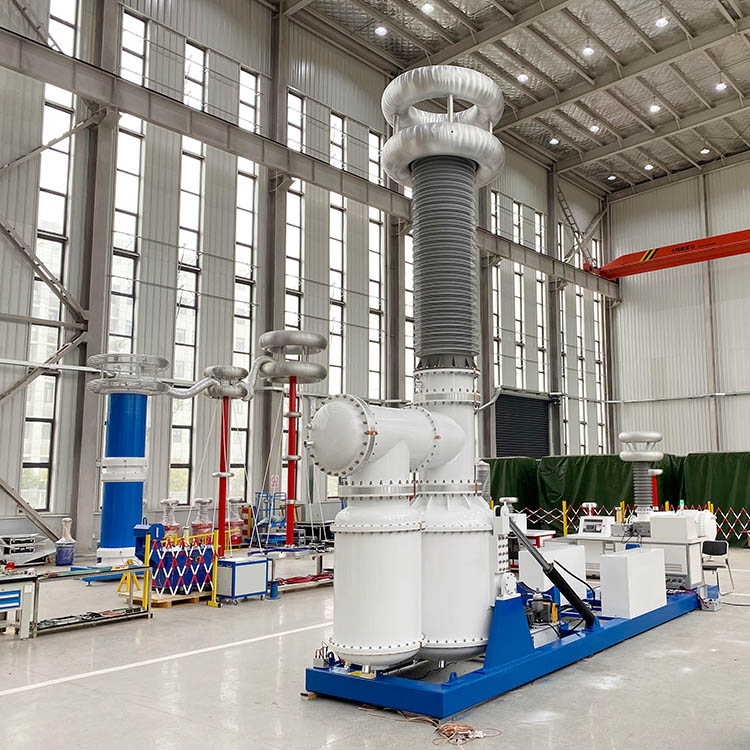
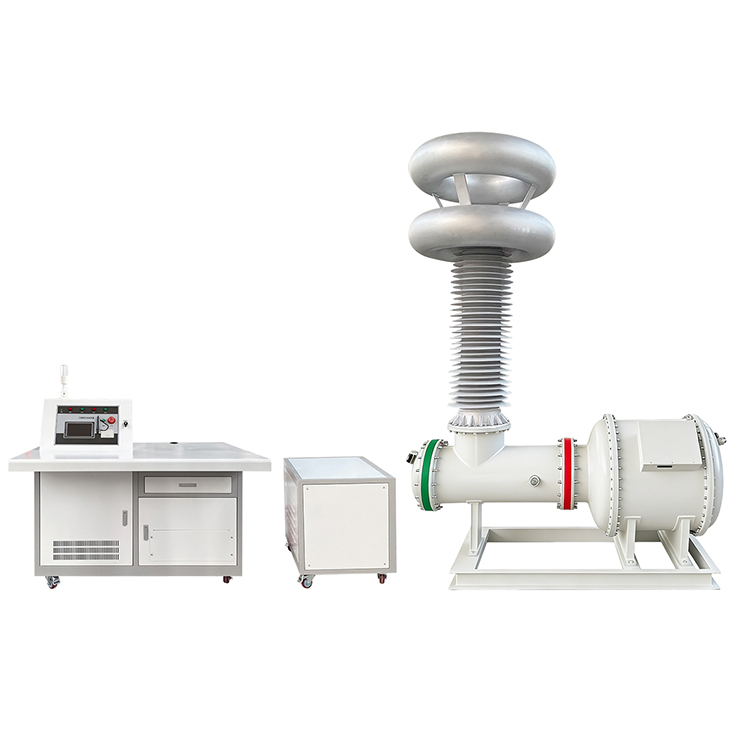
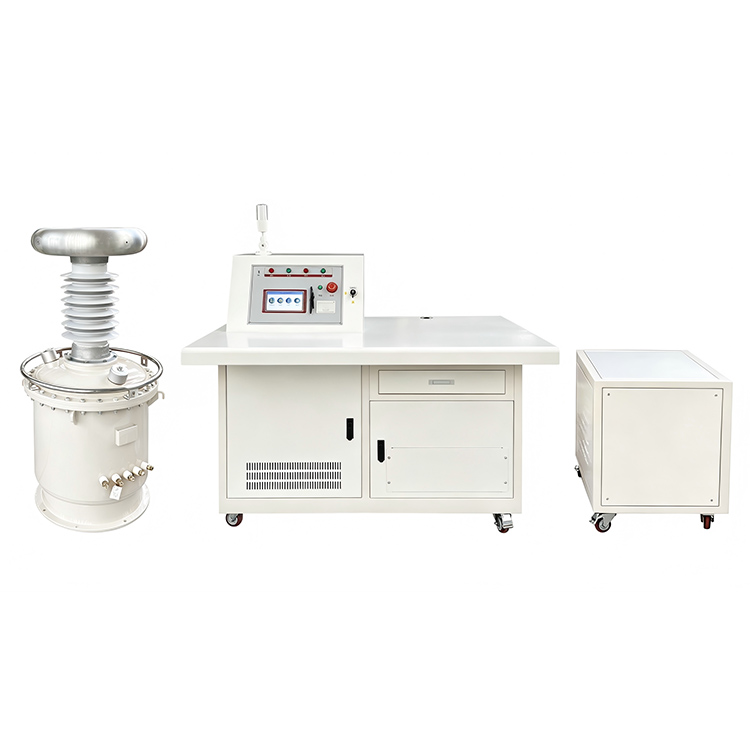
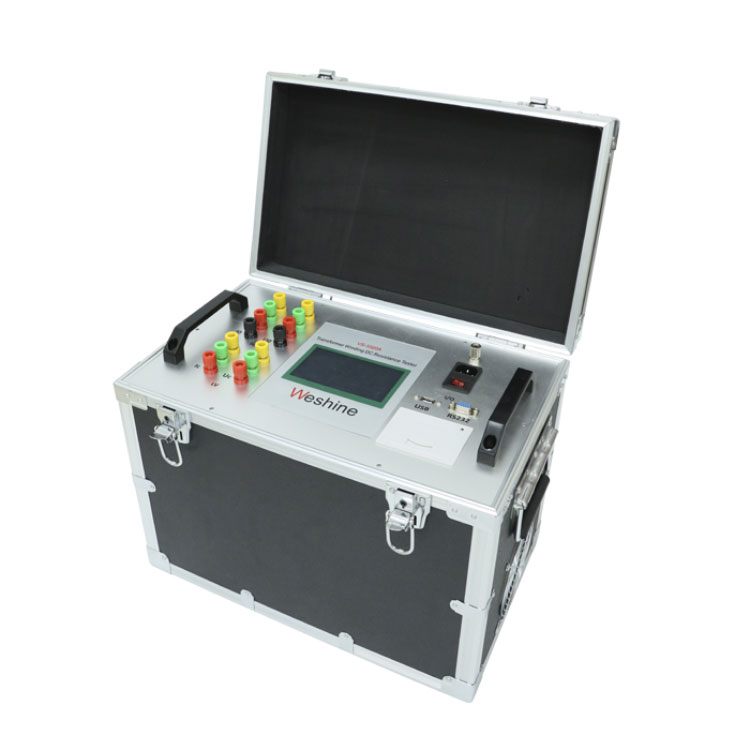
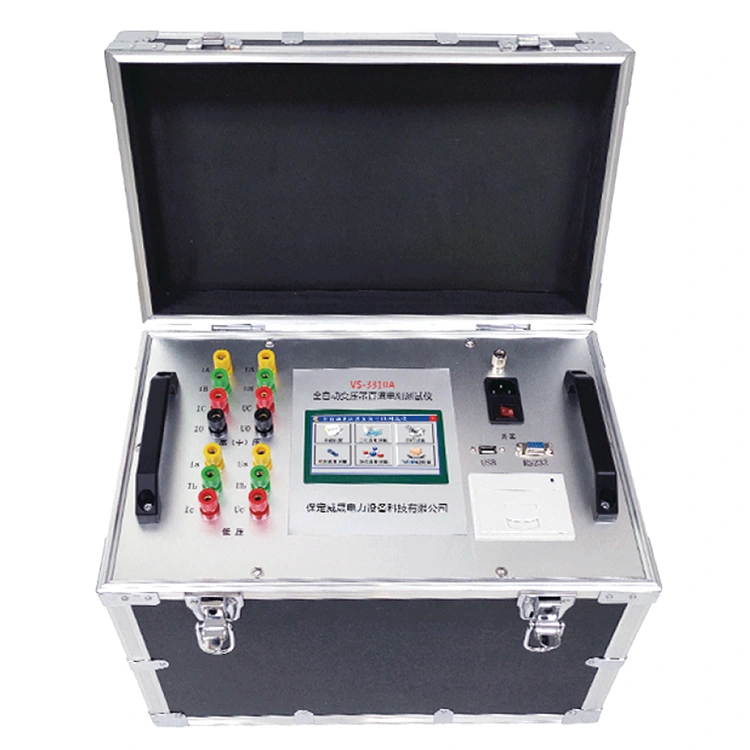
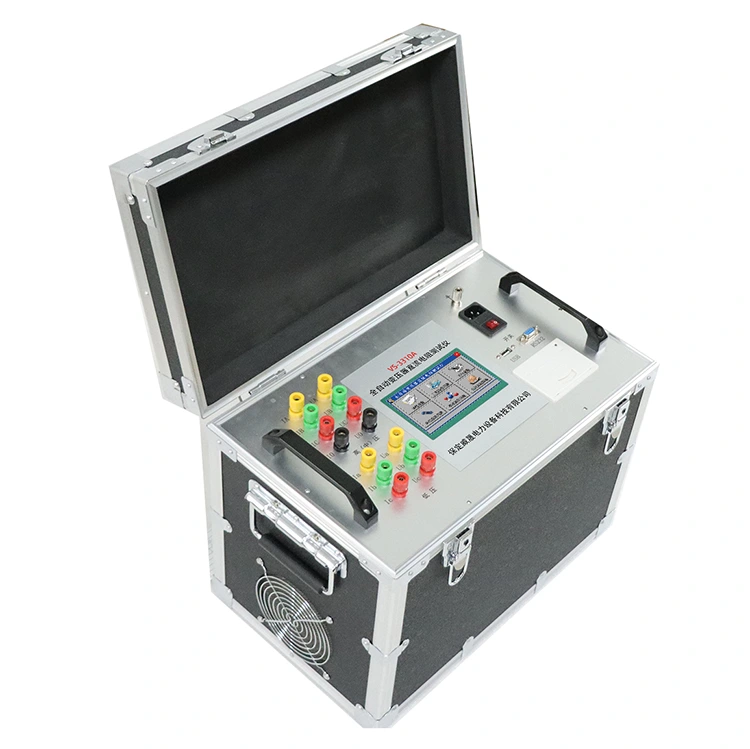
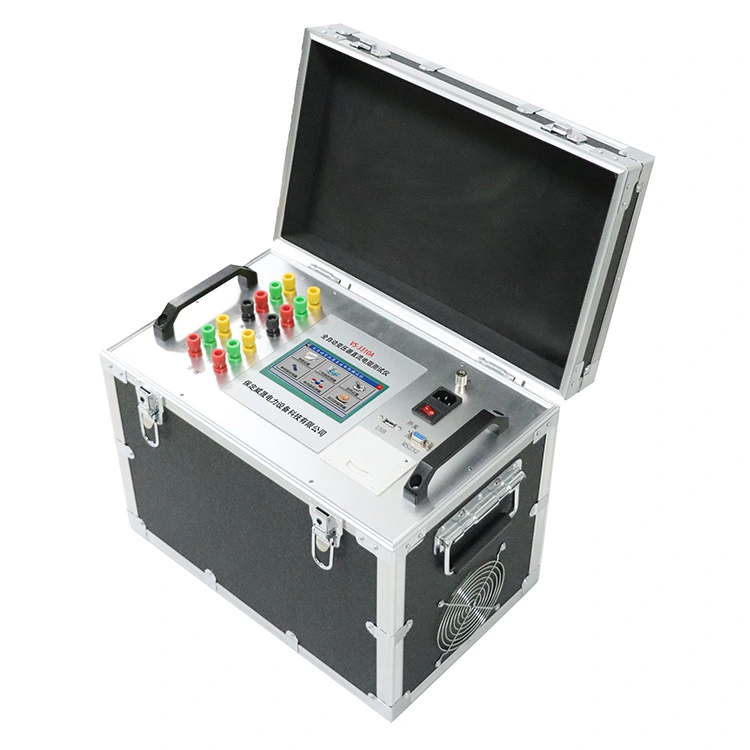
Automatic Transformer DC Resistance Tester
In transformer maintenance and electrical testing, the VS-3310 Automatic Transformer DC Resistance Tester serves as a groundbreaking transformer test equipment. It integrates the precision of a premium milliohm meter with the versatility of advanced dc resistance tester capabilities, addressing inefficiencies of traditional manual tools to optimize testing workflows for electrical engineers and maintenance teams.
Model:VS-3310
Send Inquiry
Product Description
VS-3310 Automatic Transformer DC Resistance Tester: Core Advantages for Modern Testing
In transformer maintenance and electrical testing, the VS-3310 Automatic Transformer DC Resistance Tester serves as a groundbreaking transformer test equipment. It integrates the precision of a premium milliohm meter with the versatility of advanced dc resistance tester capabilities, addressing inefficiencies of traditional manual tools to optimize testing workflows for electrical engineers and maintenance teams.
The Critical Value of Automated DC Resistance Testing
DC resistance testing is foundational for transformer quality assurance, preventive maintenance, and fault diagnosis, enabling detection of loose windings, conductor defects, or connection anomalies that risk catastrophic failure. Traditional manual processes suffer from prolonged test times, labor intensity, and human error—gaps the VS-3310 resolves. As a specialized dc resistance tester with full automation, it outperforms basic milliohm meter models (limited to low-resistance measurement) and generic transformer test equipment (lacking automation), delivering reliable data to mitigate downtime and safety risks.
Core Technical Innovations of the VS-3310
1. Full Automation for Efficiency
The VS-3310 supports automatic single-phase/three-phase testing with intelligent voltage selection, eliminating manual intervention. For neutral-point transformers, three-phase simultaneous testing reduces time by up to 60% vs. sequential methods, while automatic temperature correction ensures data accuracy. This minimizes human error common in manual transformer test equipment workflows.
2. Intelligent Configuration Adaptability
Unlike rigid dc resistance tester models, it automatically identifies star (Y)/delta (Δ) connections for three-phase transformers, adapting testing strategies without reconfiguration. It also functions as a high-precision milliohm meter for transformer windings (milliohm-range resistance), eliminating the need for multiple specialized tools.
3. Precision & Field-Ready Design
Precision: Equipped with a 16-bit AD converter and multi-range current design, matching laboratory milliohm meter accuracy (0.0001μΩ resolution) to detect micro-scale faults.
Safety: Overvoltage/overcurrent protection safeguards the tester and transformer during operation.
Data Management: Built-in thermal printer and 400-set non-volatile memory enable instant documentation and traceability, addressing data loss risks of manual dc resistance tester use.
Durability: Shock-resistant, dustproof construction with portability supports laboratory and field use, outperforming bulky fixed transformer test equipment.
Technical Superiority vs. Basic Equipment
Measurement Performance: ±0.2% accuracy class, 0.0001μΩ resolution, and wide current/resistance ranges support transformers of all capacities (small distribution to large industrial units).
Environmental Resilience: Operates reliably at -10°C to 50°C (≤85% RH), ensuring consistency in harsh substation or industrial environments—unlike delicate dc resistance tester models.
User Efficiency: Intuitive interface reduces training time; RS232 communication enables remote monitoring and data integration, a feature absent in basic transformer test equipment.
Key Advantages for Modern Testing
Automation-Driven Efficiency: Cuts test time by over 50% vs. manual dc resistance tester tools, reducing labor costs and boosting throughput.
Versatility: Compatible with single-phase/three-phase, star/delta transformers, streamlining toolkits and lowering equipment costs.
Risk Mitigation: Robust protection, precision (on par with milliohm meter), and durability ensure data reliability, preventing missed faults or unnecessary maintenance.
Conclusion
The VS-3310 is a strategic transformer test equipment investment, integrating high-end dc resistance tester, milliohm meter, and automated functionality. It revolutionizes transformer testing to uphold reliability standards, comply with regulations, and ensure critical electrical infrastructure operation—ideal for replacing manual, error-prone workflows.
Hot Tags: Automatic Transformer DC Resistance Tester, Buy, China, Manufacturers, Suppliers, Factory, Price, Purpose, Specification, Results, Definition
Related Category
Winding Resistance Test
Short Circuit Test
Power Factor Test
Tan Delta Test
PT Test
CT Test
Turns Ratio Test
SFRA Test
Sweep Frequency Response Test
Send Inquiry
Please feel free to give your inquiry in the form below. We will reply you in 24 hours.